Learn how to make a buttery, flaky homemade pie crust from scratch with just six ingredients, plus foolproof tips for rolling, freezing and blind baking. Makes two 9-inch crusts.
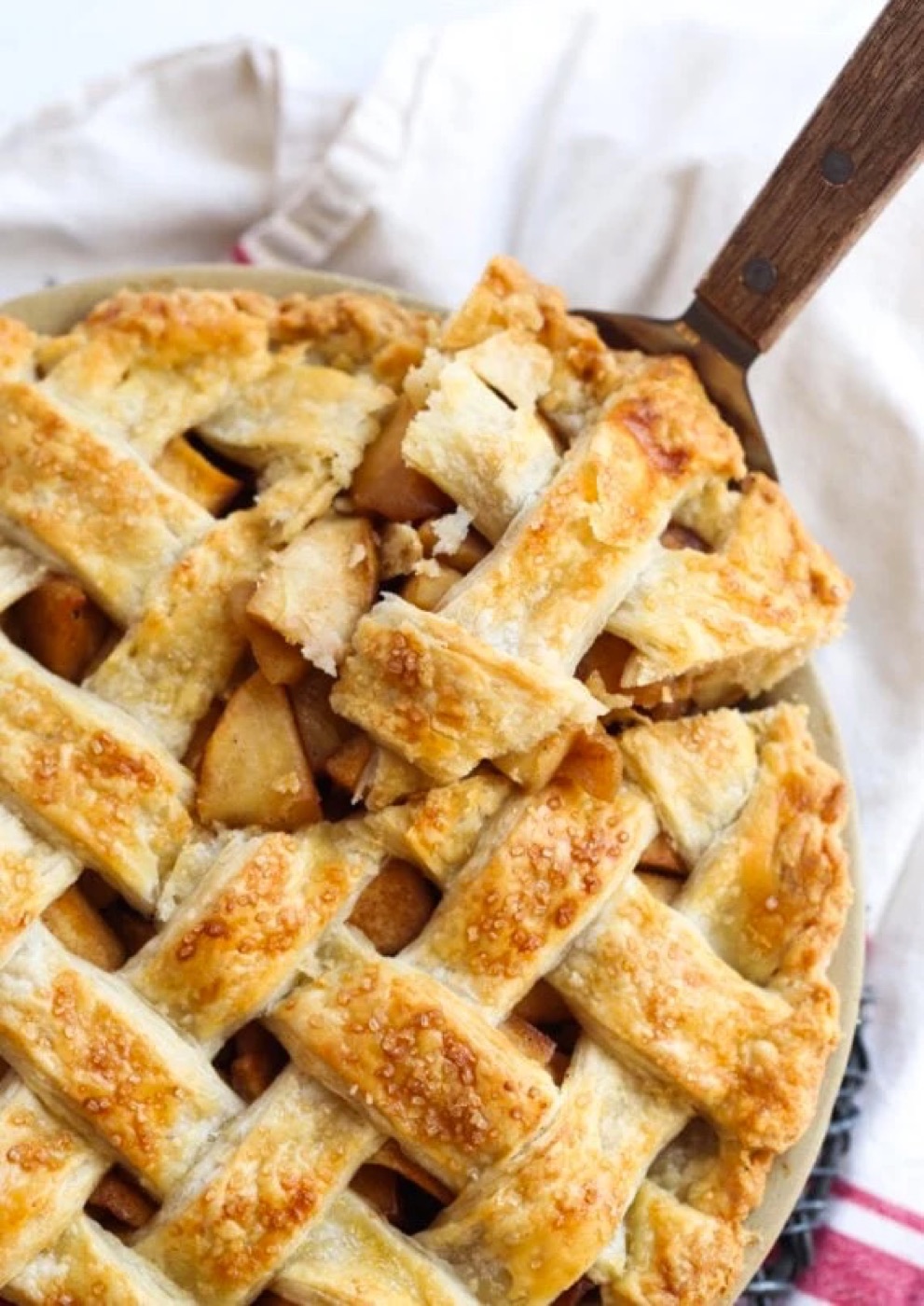
This homemade pie crust recipe is buttery, flaky and an absolute favorite. Below are all the foolproof tips and tricks that show just how easy it is to make pie crust from scratch. Use it for every kind of pie, from a perfect apple pie to a classic pecan pie.
Pie making is not everyone's favorite, and for a long time the confidence to make a crust from scratch was simply missing. Graham cracker crusts were subbed in wherever possible, or store-bought crusts were used in a pinch, but they are never quite the same as homemade. Then came the decision to end the drama. A pie crust really only has a few ingredients and a few simple steps, and after digging into different recipes and methods, this all-butter version turned out to be the perfect crust. Homemade pie crust is not nearly as hard as it seems. With the right recipe, it is easy. If this recipe can be mastered by a reluctant pie baker, you can do it too.
There is no single right way to make pie crust. Fats, liquids and techniques vary, and they all work. Some bakers swear by vegetable oil; another popular method uses a combination of butter and shortening. But after years of testing, this all-butter crust is the one worth standing behind: simple, and delicious.
Ingredients
- 310 g (2 1/2 cups) all-purpose flour
- 1 tablespoon granulated sugar
- 1 teaspoon kosher salt
- 225 g (1 cup) cold butter, cubed
- 2 teaspoons apple cider vinegar
- 120 ml (1/2 cup) ice water, plus more if needed
Instructions
- In a large metal bowl, whisk together the flour, sugar and salt.
- Add the cold cubed butter to the flour mixture and use a pastry cutter to cut the butter into the flour until it looks like very coarse sand. A few larger pieces of butter are perfectly fine.
- Add the vinegar and ice water and stir with a wooden spoon until it becomes too difficult, then quickly knead the dough with your hands until it comes together. It should not be sticky, but if the dough is too dry or crumbly, add more water 1 tablespoon at a time until it holds together.
- Divide the dough in half and form each portion into a flat disk. Wrap each disk in plastic wrap and refrigerate for at least 1 hour, or up to 3 days.
- When you are ready to use the dough, roll one disk out on a lightly floured surface into a 30 cm (12 inch) circle, 3 to 6 mm (1/8 to 1/4 inch) thick, for a standard 23 cm (9 inch) pie dish.
- Fold the dough in half or in quarters and carefully transfer it to the pie dish. Gently press it into the dish and trim the edges, leaving about 2.5 cm (1 inch) of overhang. Crimp the edges with your fingers.
- Fill the pie with your desired filling.
- If your recipe calls for a top crust, roll out the remaining dough as before. Lay it over the pie and crimp the edges to seal.
- Follow the baking instructions for the pie recipe you are using. Generally, fruit pies bake at 190°C (375°F) for 45 to 50 minutes.
How to Blind Bake a Pie Crust
- Follow steps 1 to 5 above. Place the rolled-out dough in the pie dish, crimp the edges to form the crust and prick the bottom evenly with a fork to help prevent air bubbles. Place the crust in the freezer for at least 30 minutes; this keeps it from shrinking as it bakes.
- Preheat the oven to 190°C (375°F).
- Cut a circle of parchment paper the size of the crust and lay it inside the frozen crust. Fill with pie weights or dried beans. This mimics the weight of a filling, holds the crust in place and prevents bubbles, along with the fork pricks.
- Bake the crust for 15 minutes. Remove from the oven and lift out the weights and parchment. Return the crust to the oven and bake for another 10 to 15 minutes, until golden brown. If the edges start to brown too quickly, cover them with a pie shield or aluminum foil and continue baking.
Tips
- Why all butter? Butter simply tastes better; shortening leaves a greasy mouthfeel. Butter is 80 to 85 percent fat, and the remaining 15 to 20 percent is mostly water, which turns to steam in the oven and puffs the layers of dough into flaky sheets. The catch is that butter has a low melting point, so it must stay cold.
- Keep everything cold. Use ice water (measure the water, then drop in a few ice cubes), and chill the bowl if you like. In a warm or humid kitchen, use frozen butter: pop it in the freezer 30 minutes before you start.
- Cube the butter first. Cutting the butter into cubes before adding it to the flour speeds up the whole process, which is exactly what you want. Small pieces of cold butter throughout the dough are what make it flaky; warm butter just melts into a paste.
- Use all-purpose flour. A good-quality unbleached all-purpose flour works best. Pastry flour makes a tender crust, but it is not as sturdy; for a flaky yet strong crust, all-purpose is the way to go.
- Rolling tips: chill the dough for at least an hour so the gluten relaxes; flour your surface, rolling pin and hands lightly and turn the dough as you roll to prevent sticking; roll to 3 to 6 mm (1/8 to 1/4 inch) thick and about 5 cm (2 inches) wider than your pie dish, or 10 cm (4 inches) wider for a deep-dish pie; fold the dough to transfer it; if it cracks or tears, dampen your fingers with water and press it back together; trim to leave about 2.5 cm (1 inch) of overhang and save scraps for decorations like leaves or stars.
- Freezing: the dough freezes beautifully, either as disks or pressed into the pie dish. You can even freeze a blind-baked crust to fill later. Store raw dough tightly wrapped in the refrigerator for up to 3 days or in the freezer for up to 1 month.
- Do not grease the pie dish. The dough has plenty of fat, so it will not stick.
- Add vinegar. Two teaspoons of vinegar help limit gluten development, giving a more tender crust.
- Do not stress about looks. Pies are meant to be rustic; unless you are entering a competition, a slightly imperfect crust is completely fine.
- Tools: a pastry cutter (pastry blender) is inexpensive and the easiest way to cut butter into dough. No pastry cutter? Use a fork (slower), a food processor (pulse until just combined so you do not overwork it), two butter knives, a cheese grater (only with frozen butter) or, as a last resort, your hands (freeze the butter first, since warm hands melt it fast).
- Pie shield: a pie shield keeps the edges of the crust from over-browning and is worth having if you bake pies regularly; crimped aluminum foil works as a makeshift version. Silicone shields are available too; just make sure the size matches your pie dish.
Tap an ingredient to check it off
Updated · Prefer us on Google